Front Load vs Top Load Washing Machines: Which Is Right for Your Home?
Does it really matter whether your washing machine opens from the front or the top? If you’ve ever struggled to fit a bulky comforter into your washer, watched your water bill creep up during rainy season laundry marathons, or tried to squeeze a full-size machine into a small condo laundry area, you already know the answer: yes, it matters more than you’d think.
Both front load and top load machines have loyal fans, and both have genuine advantages. The best choice comes down to your household size, your space, and how your family does laundry. Here’s an honest breakdown to help you decide.
How They Work
Top Load Washing Machines
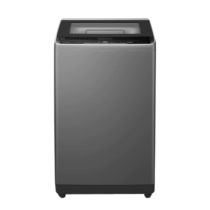
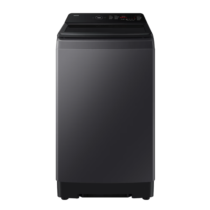
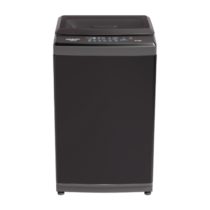
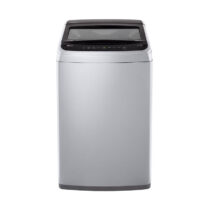
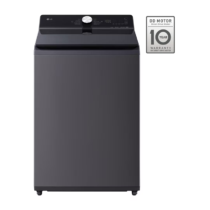
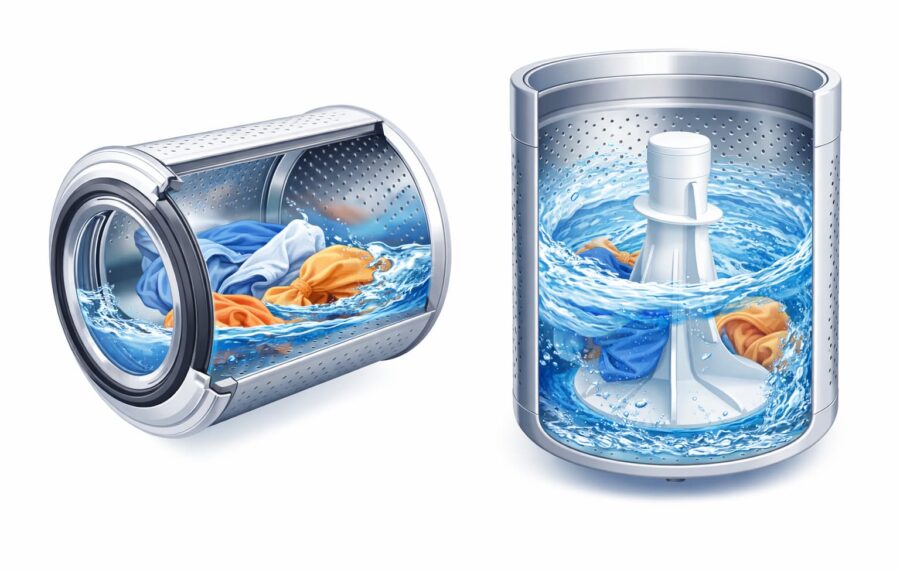
If you grew up in a Filipino household, chances are you’re familiar with the top loader. It’s the washing machine most families have used for decades. You lift the lid, drop your clothes in from above, and the machine churns the water at the bottom of the drum to move your clothes around and wash them.
Modern top loaders have evolved significantly. Many now use a gentler washing mechanism that cleans just as effectively without being rough on your clothes.
Front Load Washing Machines
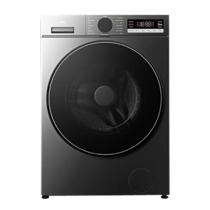
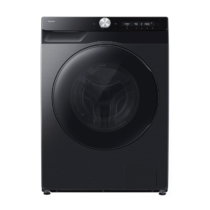
Front loaders use a horizontal drum that tumbles clothes through a shallow pool of water. Gravity does much of the work as clothes are lifted and dropped repeatedly. This tumbling action is effective at removing stains while using less water than most top loaders.
The Key Differences
Water and Energy Efficiency
This is where front loaders have a clear edge. Because they tumble clothes through a small amount of water rather than filling an entire tub, front load machines typically use 40-50% less water per cycle. They also tend to spin faster during the final cycle, extracting more water from your clothes. That means shorter drying times, whether you’re using a dryer or hanging clothes out.
For Filipino households managing rising utility costs, those savings add up meaningfully over months and years.
Cleaning Performance
Front loaders generally deliver a deeper clean. The tumbling motion is more effective at loosening dirt and stains compared to the swirling motion of a top loader. This makes front loaders a strong choice for families with active kids, work uniforms, or anyone who regularly deals with stubborn stains.
That said, modern top loaders with impeller designs have closed the gap considerably. For everyday laundry loads, both types handle the job well.
Capacity and Load Size
Front loaders often offer larger usable capacity relative to their physical size. Because there’s no agitator taking up space in the drum, you can fit more clothes per load. This is especially useful for washing bulky items like comforters, curtains, and bedding.
Top loaders with agitators have less usable space, but agitator-free models are competitive on capacity.
Ease of Use
Top loaders win on convenience for many people. You can load and unload without bending down, which matters if you have back or knee concerns. You can also toss in a forgotten sock mid-cycle without any hassle.
Front loaders require bending to load and unload, though placing the machine on a pedestal or stacking it with a dryer can bring the door to a more comfortable height. Most front loaders lock the door during a cycle, so adding items after starting requires pausing and waiting.
Space and Installation
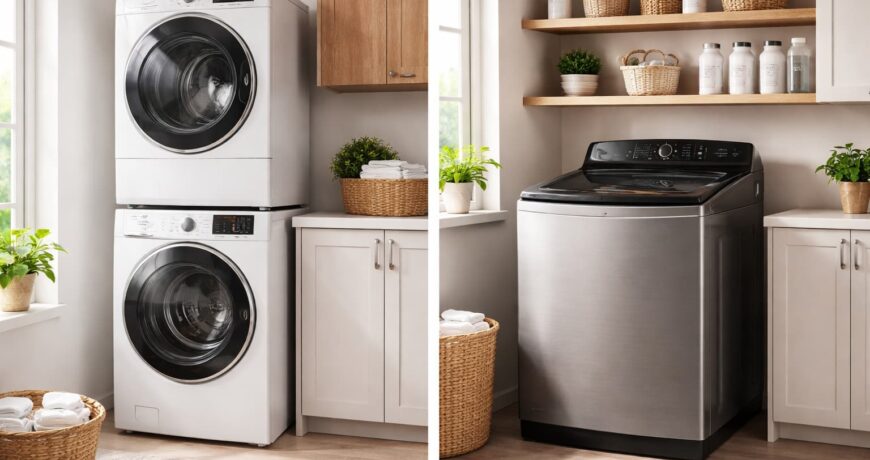
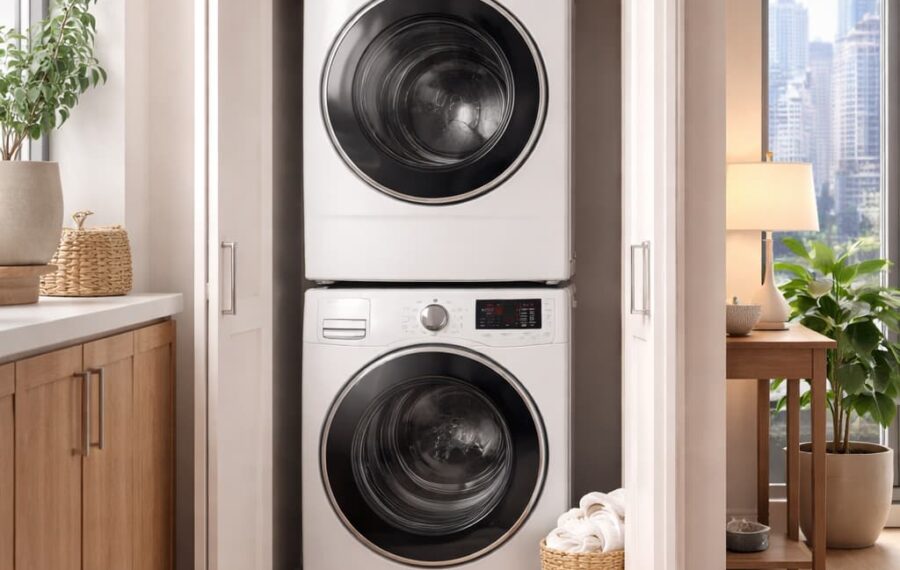
Front loaders are stackable. If you’re living in a condo, a townhouse, or any home where the laundry area is tight, stacking a front load washer with a matching dryer is a major space saver. They also fit neatly under countertops.
Top loaders need clearance above for the lid to open, so they can’t be stacked or placed under low shelves. However, they typically have a smaller footprint width-wise, which can work well in traditional Filipino home layouts with dedicated outdoor or semi-outdoor laundry areas.
Noise and Vibration
Front loaders can vibrate more during high-speed spin cycles, especially on uneven floors. Most modern models are designed to minimize vibration, but making sure the machine is properly leveled during installation makes a big difference.
Top loaders tend to be quieter overall, though older agitator models can be noisy during the wash cycle itself.
Maintenance
Front loaders need a bit more attention. The rubber door gasket can trap moisture and develop mold if not wiped down regularly. Leaving the door slightly open between washes helps air circulate and prevents odors.
Top loaders are lower maintenance in this regard. The open-top design naturally allows airflow, and there’s no gasket to worry about.
Quick Comparison
| Feature | Front Load | Top Load |
| Water efficiency | Excellent (uses 40-50% less) | Good (improving with newer models) |
| Cleaning performance | Excellent | Very good |
| Energy efficiency | Excellent | Good |
| Ease of loading | Requires bending | Comfortable standing height |
| Add clothes mid-cycle | Limited (pause and wait) | Easy (lift the lid) |
| Stackable | Yes | No |
| Maintenance | Gasket cleaning needed | Low maintenance |
| Noise level | Moderate (vibration on spin) | Generally quieter |
| Bulky items | Excellent (larger usable drum) | Good |
| Cycle time | Longer cycles | Shorter cycles |
Which One Should You Choose?
Go with a front load washer if:
- You want the most water and energy-efficient option
- You regularly wash bulky items like comforters and curtains
- You have limited floor space and want to stack your washer and dryer
- You want the deepest clean for heavily soiled clothes
- You’re planning to pair it with a dryer for a complete laundry setup
Go with a top load washer if:
- You prefer the convenience of loading without bending
- You want shorter wash cycles for everyday loads
- You like being able to add forgotten items mid-cycle
- You prefer simpler maintenance with less upkeep
- You have the floor space and don’t need to stack
Consider a washer-dryer combo if:
- You’re extremely tight on space (one machine handles both washing and drying)
- You want a set-and-forget solution for smaller loads
- You live in a condo or apartment where separate units aren’t practical
Keep in mind that combo units trade some convenience for capacity. They typically handle smaller loads than standalone machines, and a full wash-and-dry cycle can take longer since one drum does both jobs. For couples or small households, that’s usually fine. For larger families with heavier laundry needs, separate units will serve you better.
A note on rainy season
During the wet months when hanging clothes outside isn’t an option, a front loader’s faster spin cycle becomes a real advantage. It extracts more water from your clothes before they come out of the drum, which means faster drying whether you’re using a dryer or drying indoors. If your household relies on air-drying and you deal with damp laundry piling up every rainy season, this is worth factoring into your decision.
What About Inverter Technology?
Whichever type you choose, look for models with inverter motors. Inverter machines are smart enough to use only as much power as your load needs. A small load of towels won’t use the same energy as a full family wash. The result: quieter operation, less vibration, and lower electricity bills month after month. Most premium front loaders and an increasing number of top loaders now come with inverter technology as standard.
Explore Washing Machines at Ansons
For over 60 years, Ansons has been a trusted name for Filipino families shopping for home appliances. Whether you’re leaning towards the efficiency of a front loader or the convenience of a top loader, we carry a wide range of washing machines from brands like LG, Samsung, Panasonic, and more. Browse by capacity, type, and features to find the right fit for your household. With next-day delivery across Metro Manila, professional installation support, and dedicated after-sales service, getting your new washer set up and running is as smooth as it should be.