Washer-Dryer Combo Buying Guide Philippines (2026)
Quick answer: A washer-dryer combo is a single machine that both washes and dries clothes, saving space and eliminating the need for a separate dryer or clothesline. In the Philippines, washer-dryer combos are ideal for condo dwellers, small apartments, and anyone who needs to dry clothes reliably during the rainy season. Most models are front-loading, inverter-driven, and available in 7.0 to 10.0 kg wash capacities.
What Is a Washer-Dryer Combo?
A washer-dryer combo (sometimes called an all-in-one washer-dryer) is a single appliance that handles both the washing and drying cycle. You load your clothes once, select a program, and the machine washes and then dries them without any manual intervention.
How it differs from separate units:
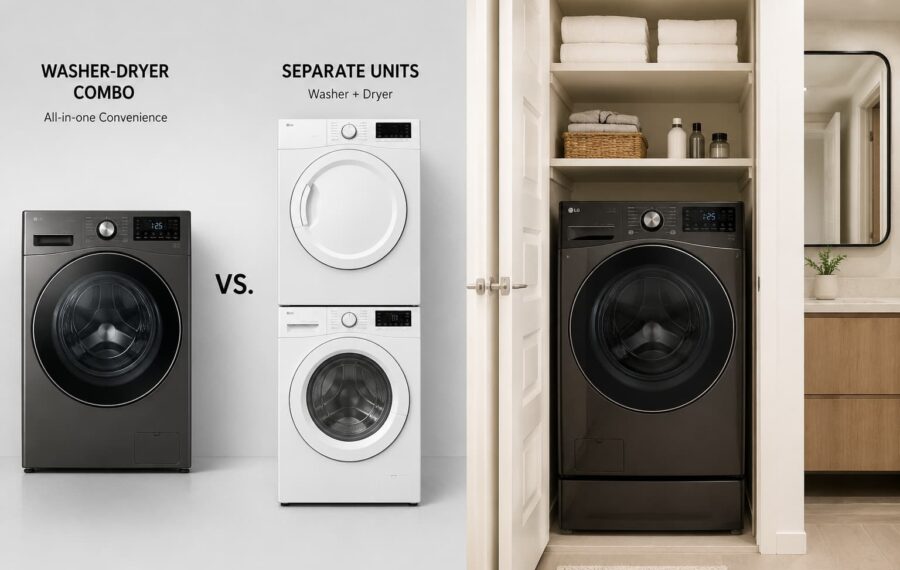
Washer-Dryer Combo vs Separate Units

| Feature | Washer-Dryer Combo | Separate Washer + Dryer |
| Space required | Single unit (significantly less space) | Two units (stacked or side-by-side) |
| Convenience | Load once, walk away | Must transfer clothes between machines |
| Wash capacity | 7.0 to 10.0 kg | 7.0 to 12.0+ kg |
| Dry capacity | Usually 50 to 70% of wash capacity | Full capacity drying |
| Drying speed | Slower (condensation drying) | Faster (dedicated heat or heat pump) |
| Upfront cost | Lower (one machine) | Higher (two machines) |
| Best for | Condos, small spaces, rainy season | Large families, heavy laundry loads |
⚠️ Important note on dry capacity: Most washer-dryer combos can only dry about 50 to 70% of their rated wash capacity in a single cycle. A 10 kg wash / 7 kg dry machine means you can wash 10 kg of clothes but only dry 7 kg at once. If you wash a full 10 kg load, you may need two drying cycles.
How to Choose a Washer-Dryer Combo
1. Capacity
| Household Size | Recommended Wash Capacity | Typical Dry Capacity |
| 1 to 2 people | 7.0 to 8.0 kg | 4.0 to 5.0 kg |
| 3 to 4 people | 8.0 to 9.0 kg | 5.0 to 6.0 kg |
| 5 to 6 people | 9.0 to 10.0 kg | 6.0 to 7.0 kg |
2. Drying Technology
- Condensation drying. The most common type in washer-dryer combos. Uses cool air to condense moisture from clothes, which is then drained. Effective but slower than heat pump drying.
- Heat pump drying. More energy-efficient and gentler on fabrics, but less common in combo units and more expensive.
3. Inverter Motor
An inverter motor (also called Direct Drive) is strongly recommended:
- Quieter operation. Less vibration, especially during high-speed spin.
- Energy savings. Uses less electricity than conventional motors.
- Longer lifespan. Fewer moving parts mean less wear.
4. Spin Speed
Higher spin speeds (1,200 to 1,400 RPM) extract more water during the wash cycle, which means shorter drying times and lower energy consumption for the drying phase.
5. Programs and Features
- Quick wash + dry. A compressed cycle for lightly soiled items when you need clothes fast.
- Steam wash. Uses steam to remove allergens and refresh clothes without a full wash. For homes with allergy concerns, an air purifier is a worthwhile addition alongside your laundry setup.
- Delay start. Schedule the cycle to run during off-peak electricity hours.
- Child lock. Prevents children from opening the door or changing settings mid-cycle.
Top Washer-Dryer Combo Brands in the Philippines
LG
LG is the market leader for washer-dryer combos in the Philippines. Their front-load combo units feature AI DD (Artificial Intelligence Direct Drive) technology that detects fabric type and adjusts the wash motion automatically. ThinQ app integration allows remote monitoring and control.
Best for: Families who want smart features and proven reliability.
Samsung
Samsung offers washer-dryer combos with their AI Ecobubble technology, which dissolves detergent more effectively at lower temperatures. AI Wash and AI Dry features automatically optimise the cycle based on fabric type and soil level, while AI Energy mode reduces power consumption.
Best for: Tech-savvy buyers who want smart, energy-efficient features.
Panasonic
Panasonic washer-dryer combos feature Superior Fast Wash for quicker cycles without compromising cleaning performance. Their models emphasise hygienic washing results and energy and water savings, with inverter motors for quiet, efficient operation.
Best for: Families who want reliable Japanese-quality engineering with efficient wash cycles.
TCL
TCL offers washer-dryer combos with DD (Direct Drive) inverter motors for ultra-quiet, durable performance. Features like Add Garment (to toss in forgotten items mid-cycle), low-temperature gentle drying, and honeycomb drum design make them a strong value option in the 10 to 12 kg range.
Best for: Budget-to-mid-range buyers who want a large-capacity combo with modern features.
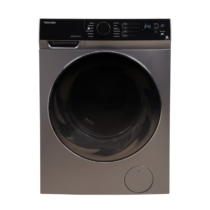
Toshiba
Toshiba’s front-load combo units feature GreatWaves technology for thorough cleaning through advanced water flow patterns. Their 3-in-1 wash, spin, and dry design is built for space-saving convenience, with models available in 8.5 to 11 kg wash capacities.
Best for: Buyers who want a compact, reliable Japanese-brand combo at a competitive price.
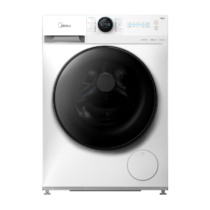
Midea
Midea offers more affordable washer-dryer combo options, bringing the convenience of wash-and-dry to a lower price point. Good for budget-conscious condo dwellers.
Best for: Budget buyers who want combo convenience without premium pricing.
Tips for Using a Washer-Dryer Combo
- Don’t overload for drying. Wash at full capacity if you want, but remove some items before the drying cycle for better results.
- Clean the lint filter regularly. A clogged filter reduces drying efficiency and can cause overheating.
- Use the right detergent. Front-load machines require low-suds (HE) detergent. Using regular detergent creates excess foam and can trigger error codes.
- Leave the door ajar after cycles. This prevents mould and musty odours from building up in the drum.
- Check the drain filter monthly. Small items (coins, buttons, hair ties) can clog the drain filter and affect performance.

Frequently Asked Questions
Is a washer-dryer combo good for rainy season?
Yes. During the rainy months (June to November), outdoor drying is unreliable. A washer-dryer combo provides consistent indoor drying without needing a separate dryer or extra space. Pairing one with a dehumidifier can further speed up drying and keep indoor humidity comfortable. It’s especially practical for condo and apartment living where hanging space is limited.
Does a washer-dryer combo use a lot of electricity?
The drying cycle uses more electricity than washing. A typical condensation dry cycle consumes 1.5 to 3.0 kWh per load. The actual cost increase on your monthly bill depends on the model, load size, and how often you use the dryer — but most households find it a modest addition for the convenience of reliable indoor drying.
Can a washer-dryer combo fully dry clothes?
Yes, but the drying capacity is typically lower than the wash capacity. For best results, dry loads at 50 to 70% of the wash capacity. Heavy items like towels and jeans may need extra drying time.
How long does a wash-and-dry cycle take?
A full wash-and-dry cycle typically takes 3 to 5 hours depending on the load size, fabric type, and selected program. Quick wash-and-dry programs can finish in 1 to 2 hours for small, lightly soiled loads.
Is a washer-dryer combo or a separate washer better?
If space is limited (condo, studio, small laundry area), a combo is the practical choice. If you have space and do heavy laundry, separate units are more efficient because each machine can run at full capacity simultaneously.